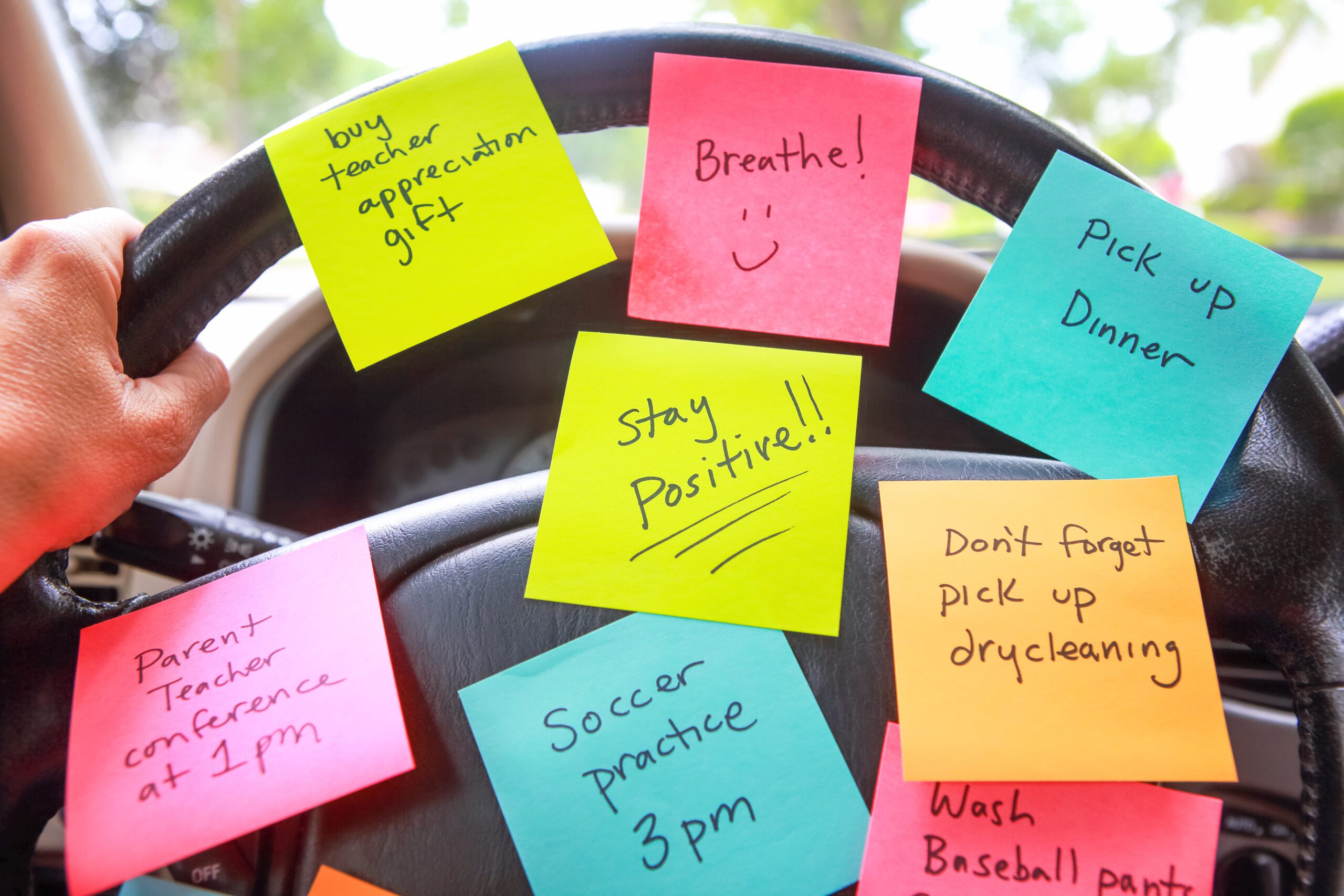

Many parents want to raise calm, emotionally secure children, but supporting kids through big feelings can feel overwhelming. It is especially hard when you were never taught how to manage emotions yourself. Most of us were raised in homes where strong feelings were met with yelling, punishment, or shame, so responding gently can feel unfamiliar at first.
And as parents, we are human too. Sometimes we are rushing to get out of the house, juggling responsibilities, or simply exhausted. Stress, lack of sleep, and our own emotions can make patience harder to hold onto, even when we want to do better.
This post explores helping children with big emotions in a calm, compassionate, and realistic way, offering simple strategies you can use even on the days when you feel tired, stretched, or triggered.
Pin this image to save the story

Understanding Big Emotions
“Big emotions” can be many things. Tears that will not stop. Rage that turns into yelling. Little bodies that shut down. Sudden fits of anger. If you grew up in a home where feelings were seen as problems or reasons to be punished, these reactions can catch you off guard.
Often, kids cannot handle their complex feelings. What looks like resistance is usually more than they can manage. Some things that look like attitude are really fear. What seems dramatic is often an overwhelmed nervous system.
If we want to help kids with big feelings, we need to teach their brains how to handle stress, sadness, and frustration in a world that moves too fast for them. Their behavior is communication and connection seeking. We aim to understand it first, not react.
When we focus on helping children with big emotions, we begin to see the message under the behaviour instead of the behaviour itself.
Why Children Get Overwhelmed
Little kids are not little adults. They feel deeply, act on instinct, and learn self-control slowly. Their emotional centers develop earlier than the parts of the brain that manage behaviour. This means your child may know the rule but not be able to follow it in the moment.
Some children react more strongly because:
- Their nervous systems are sensitive
- They are tired, hungry, overstimulated, or unsure
- Transitions feel big and frightening
- They fear disappointing someone they love
- They do not know what to do with frustration
If you grew up in an environment where emotions were dismissed, punished, or ignored, your child’s big feelings can trigger old responses in your body. This does not make you a bad parent. It simply means you learned to survive in a different way. Your child does not need perfection from you. They need presence, and that is something you can offer even while you are still learning and healing.
Calming Responses That Work
Making kids feel safe is the most important thing you can do to help them deal with big feelings.
A big part of helping children with big emotions is showing them safety through your presence.
When a child feels threatened, embarrassed, or scared, they cannot calm down. Your steady tone and slow breaths help them settle. You do not need perfect words. You only need to stay grounded enough not to add to the storm.
Here are calming responses that work:
- Stay close. Sit beside them or kneel down.
- Keep your voice soft. It helps shift their brain out of fight or flight.
- Name what you see. “This is really hard.” “You’re upset because things didn’t go the way you hoped.”
- Offer presence without pressure. “I’m here when you’re ready.”
- Regulate yourself first. Your calm becomes their anchor.
When a child feels safe, the storm passes faster. Not because the emotion disappears but because it is witnessed instead of punished.
What to Avoid
If you were raised with shouting, threats, or punishment, staying calm may feel strange at first. But breaking the cycle means choosing something different, even when it is hard. These reactions make big emotions worse:
- Shouting
- Punishment
- Shaming
- Lecturing in the meltdown moment
If you have used any of these before, you are not failing. Many of us learned to parent from survival patterns. You just choose something kinder next time, even if it is messy.
Simple Phrases That Help
Short, calm sentences work best when emotions are high:
- “I’m right here.”
- “You’re safe with me.”
- “Take your time.”
- “Your feelings are allowed.”
- “Let’s breathe together.”
- “We will get through this.”
These help your child feel seen and help you pause before reacting.
Building Emotional Strength
Emotional regulation grows slowly through repeated moments of comfort. Kids learn calm by experiencing it with you.
To strengthen emotional skills:
- Talk about feelings daily
- Prepare them for transitions
- Practice calm together
- Repair when needed
If you lose your temper, you reconnect. “I’m sorry I shouted. I love you. I’m learning too.” That repair shapes them more than perfection ever could.
You are not raising a perfect child. You are raising a resilient one. And as you guide them, you become resilient too.
You Are Not Alone
If you are here, reading this, trying to learn healthier ways of helping children with big emotions, you are already breaking cycles that once broke you. You are choosing presence over fear. Understanding over instinct. Healing over repeating.
You do not need to be fully healed to parent gently. You only need to be willing.
I am still learning. Still unlearning. Still healing. But I am here. And so are you.
And that is enough to begin again.